

 Image 1 of 2
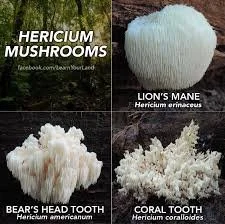 Image 2 of 2
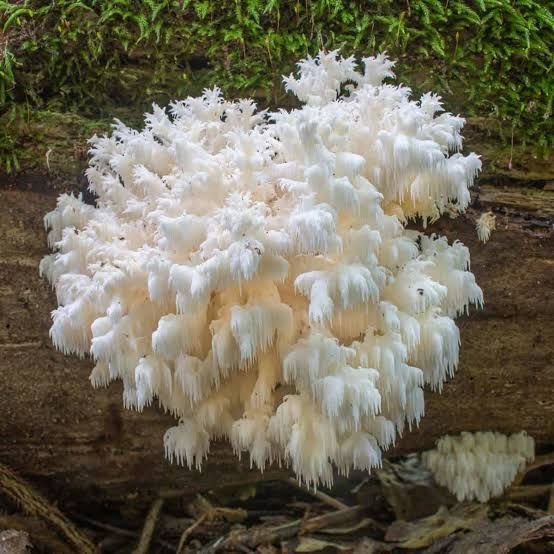
Coral Tooth (Hericium coralloides) is a close, edible relative of the Lion's Mane mushroom, displaying a distinctive branched, coral-like structure with teeth or spines rather than the familiar pom-pom shape. It shares similar potential neurological benefits and a seafood-like flavor with Lion's Mane, but tends to have a slightly crunchier texture, which makes it especially well suited for vegetarian crab cakes or as an attractive, flavorful garnish. Both species belong to the Hericium genus, are bright white in appearance, typically grow on dead or decaying wood, and are prized for their taste as well as their potential health-promoting properties. Coral Tooth is somewhat less commonly found in stores than Lion's Mane, which has made home cultivation and specialty suppliers a popular route for people seeking this species.
Key Differences & Similarities
Appearance: Lion's Mane is a solid, cascading mass; Coral Tooth has distinct branches with hanging spines.
Texture: Coral Tooth is crunchier/firmer; Lion's Mane is chewier.
Flavor: Both are mild, sweet, and absorb flavors well, often compared to seafood, but Coral Tooth can have a slightly more distinct, wild flavor.
Benefits: Both contain compounds like hericenones and erinacines, with ongoing research into their cognitive support, though Coral Tooth also has unique corallocins, notes Fungi Jon.
Identification: Both are tooth fungi (Hericium), easily identified by their spines, making them simpler to find than many other mushrooms.
Culinary Uses
Sauté with butter, garlic, and parsley.
Shred and use as a seafood substitute in crab cakes or salads.
Excellent for absorbing flavors in vegetarian dishes.
Growing & Harvesting
Grown from spawn on logs or sawdust blocks, similar to Lion's Mane.
Harvest when spines are extended, but before they release spores.
Proper air exchange (FAE) is crucial to get desired shapes and prevent fuzzy growth.
Coral Tooth (Hericium coralloides) is a close, edible relative of the Lion's Mane mushroom, displaying a distinctive branched, coral-like structure with teeth or spines rather than the familiar pom-pom shape. It shares similar potential neurological benefits and a seafood-like flavor with Lion's Mane, but tends to have a slightly crunchier texture, which makes it especially well suited for vegetarian crab cakes or as an attractive, flavorful garnish. Both species belong to the Hericium genus, are bright white in appearance, typically grow on dead or decaying wood, and are prized for their taste as well as their potential health-promoting properties. Coral Tooth is somewhat less commonly found in stores than Lion's Mane, which has made home cultivation and specialty suppliers a popular route for people seeking this species.
Key Differences & Similarities
Appearance: Lion's Mane is a solid, cascading mass; Coral Tooth has distinct branches with hanging spines.
Texture: Coral Tooth is crunchier/firmer; Lion's Mane is chewier.
Flavor: Both are mild, sweet, and absorb flavors well, often compared to seafood, but Coral Tooth can have a slightly more distinct, wild flavor.
Benefits: Both contain compounds like hericenones and erinacines, with ongoing research into their cognitive support, though Coral Tooth also has unique corallocins, notes Fungi Jon.
Identification: Both are tooth fungi (Hericium), easily identified by their spines, making them simpler to find than many other mushrooms.
Culinary Uses
Sauté with butter, garlic, and parsley.
Shred and use as a seafood substitute in crab cakes or salads.
Excellent for absorbing flavors in vegetarian dishes.
Growing & Harvesting
Grown from spawn on logs or sawdust blocks, similar to Lion's Mane.
Harvest when spines are extended, but before they release spores.
Proper air exchange (FAE) is crucial to get desired shapes and prevent fuzzy growth.